
Maths
Intent
Mathematics is a fundamental part of every child’s education. The learning and teaching of maths at St Paul’s aim to provide an opportunity for children to develop the knowledge, skills and understanding in mathematics which allow children to make important connections within other areas of learning as well as the outside world.
The key aims for maths at St Paul’s are:
· To instil a positive attitude and confidence in maths.
· Provide continuity in the strategies and methods of teaching mathematics throughout the school.
· Provide opportunities for children to apply mathematical skills confidently in real life situations.
· Promote the development of arithmetic, reasoning, logical thinking and problem-solving skills.
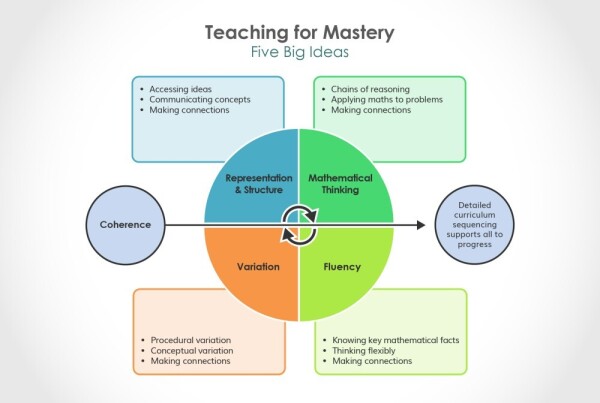
· Provide a curriculum for every child that builds on prior learning and focuses on the five big ideas of teaching for mastery.
Implementation
Our curriculum is underpinned by the National Curriculum and the teaching for mastery approach. As a school, we follow Third Space Learning scheme from years 1-6 which we tailor to the specific needs of our children. We have been engaged with the NCETM (National Centre of Excellence in Teaching Mathematics) since September 2022 to help adopt a high-quality mathematics curriculum.
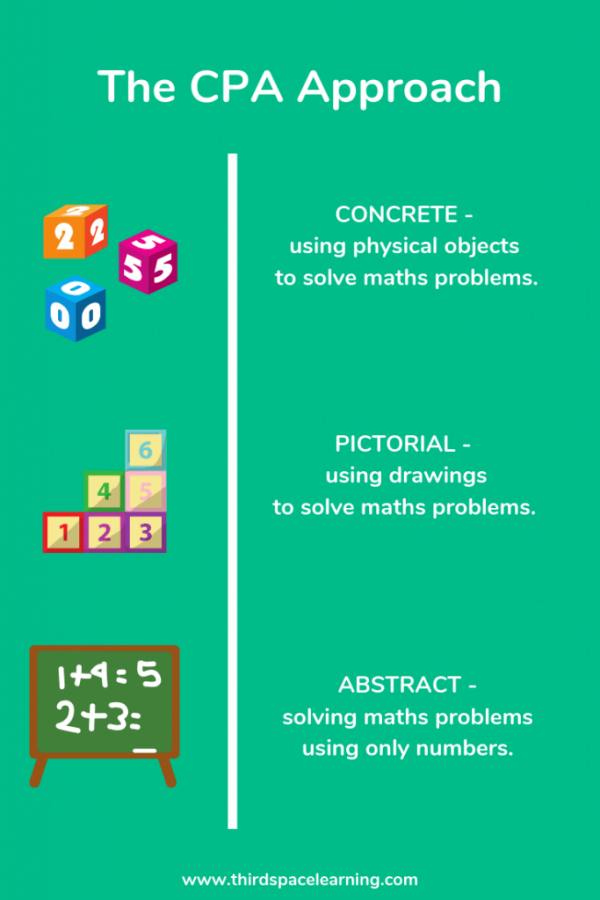
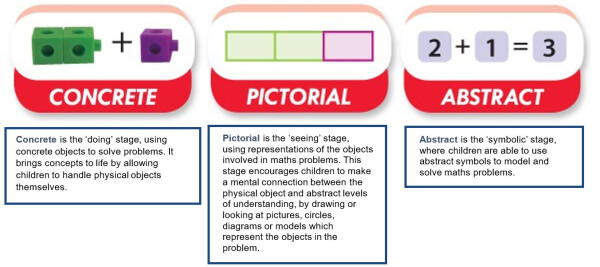
These whole class lessons provide opportunities for children to practise fluency, problem-solving and reasoning which avoids superficial, surface learning and deepens understanding of the learning objective. We believe in exposing the children to multiple representations of the concepts using concrete, pictorial and abstract examples to support the children’s understanding. There is an emphasis on teaching, practising and understanding key number facts, specific to their year group, which children can apply to all areas of maths.
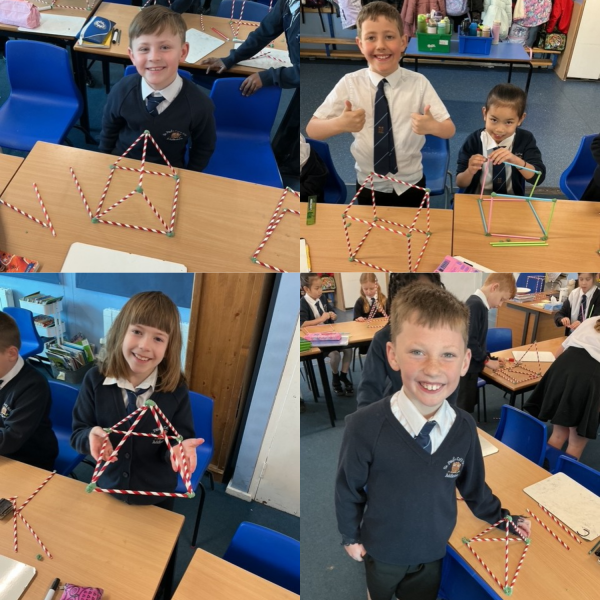
Mathematics is not a standalone lesson, rather it contributes to many aspects of learning throughout the primary curriculum. Opportunities will be sought to draw mathematical experience out of a wide range of activities e.g. outdoor learning, which allow children to apply their knowledge and skills in other real-life contexts.
Impact
The impact of our maths curriculum is designed to ensure that children at St Paul’s are equipped with mathematical skills and knowledge that will enable them to be ready for the Key Stage 3 curriculum and subsequently life in the wide world. Children are assessed on their knowledge and skills regularly in a variety of ways. Teacher’s respond to pupils’ work through written marking and verbal feedback. Low stakes quizzes and testing takes place on the curriculum areas that the children have learnt so far. We have a statuary responsibility for the following:
· EYFS (Early Years Foundation Stage) baseline
· Times table check Year 4
· Year 6 SATS
These are useful indicators but only represent a sample of what pupils have learnt. It is important that this is balanced with first hand evidence such as work in children’s books and pupil voice.
Maths in Year 3
Pupil voice
When asked what do you enjoy about maths, the children answered:
· I like that it keeps my brain busy and concentrating
· It is fun, especially when we play games like bingo and with the dice
· I like the challenges and they push me to do better
· I enjoy the quick pace
· I like using resources like number lines and times table grids to help me
When asked how does it prepare you for the real world, the children answered:
· It helps you with money when you go shopping and with your bills when you own a house
· It helps you with time so that you can work out how long it will take for you to get somewhere and it can help with train times
· It will help you with your job when you’re older. For example, if you want to be an accountant then numbers are around you all the time. It helps if you are going to be a builder too because you might need to find the area of something you are building or how many materials you might need
When asked how do they know if they have achieved well in maths, the children answered:
· We get house points when we do well
· I like it when we mark our work altogether because I know what mistakes I have made straight away and can learn from them
· If our LO is highlighted in green, we get ticks or stickers it means we achieved the LO